SAVE with our $120 New Patient Special
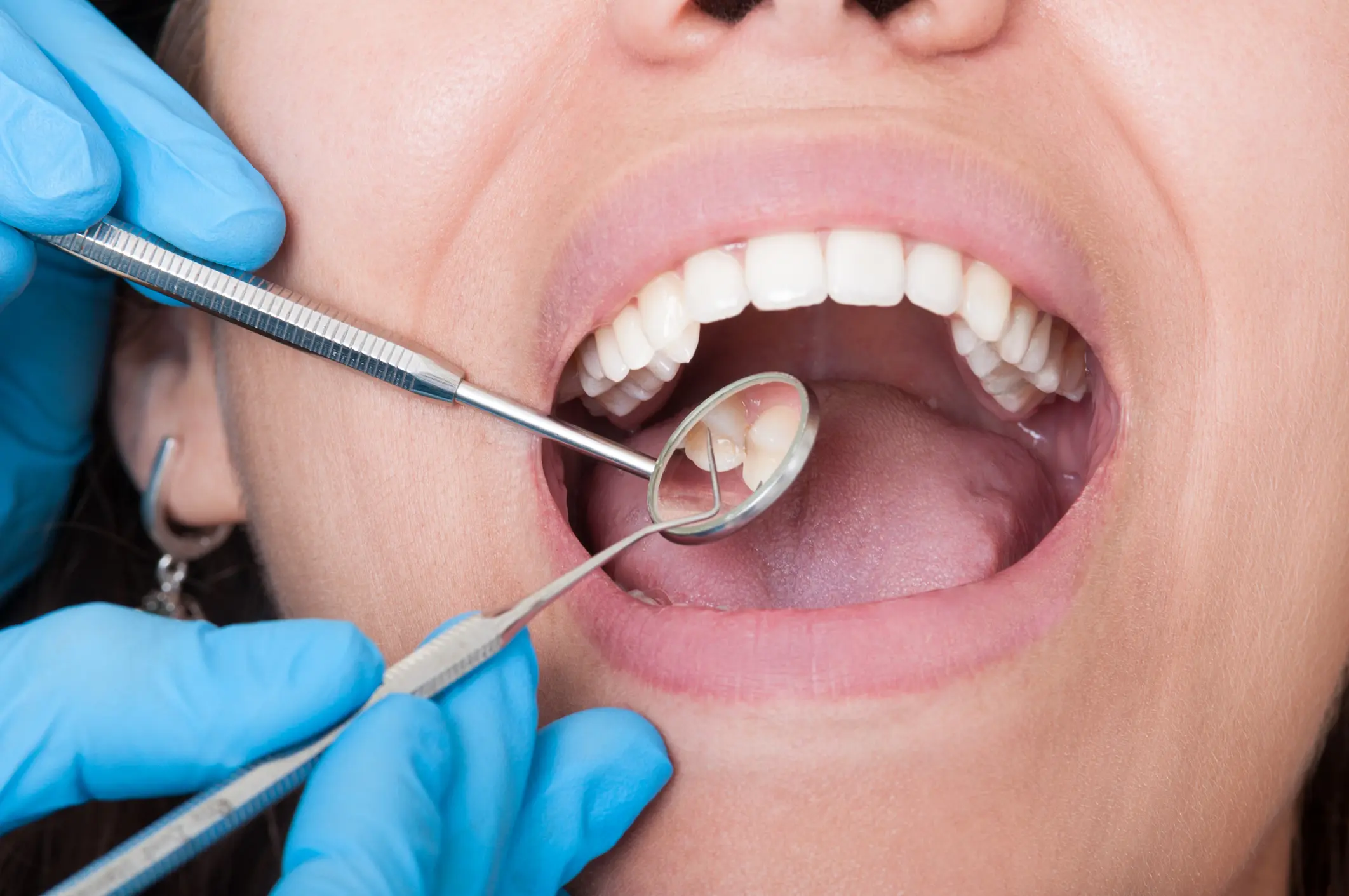
A small cavity might not hurt at first. That’s exactly why people ignore it. Life’s busy, the tooth feels fine, and it’s easy to tell yourself you’ll handle it “later.”
Here’s the problem: a small cavity untreated doesn’t stay small. Decay spreads quietly, and the longer it sits, the more likely it is to turn into a bigger, more expensive fix. If you’ve been told you have early decay or you suspect you do, this is what you should know, and what happens if you wait.
A small cavity is usually the early stage of enamel breakdown, also called early tooth decay. Bacteria in plaque produce acids that wear down the enamel, which is the hard outer layer of your tooth. At this stage, you often feel nothing because enamel doesn’t have nerves.
That’s why routine checkups matter. During regular cleanings and exams, we can often spot small areas of decay before they spread deeper. If you want the simplest way to stay ahead of cavities long-term, consistent preventive dentistry is where it starts.
This is the part most people don’t realize. Cavity progression is usually predictable, even when you can’t feel it yet.
So, what happens if you ignore a cavity in the early stage? The odds go up that it moves from a small, straightforward fix to a more involved one. What could have been handled with a conservative dental filling may eventually require a dental crown, or more advanced restorative dentistry.
If you’re thinking, “It’s tiny, I can wait,” you’re not alone. We hear that every week. But ignoring a small cavity is one of those decisions that feels harmless until it isn’t.
Here’s the practical downside:
And yes, it can start hurting. Untreated cavity symptoms often show up later, not earlier. You might notice sensitivity to cold, sweets, or pressure when chewing. If bacteria reach the pulp, swelling and infection can follow. That’s when the situation can shift from “annoying” to urgent.
This is where loss aversion is real. A small problem today can become a weekend emergency tomorrow. People don’t plan for dental emergencies. They get forced into them. If you’d rather stay in control, early treatment is the calmer path.
It can. A cavity turns into root canal territory when decay reaches the pulp and the tooth becomes infected. At that point, the goal changes from “repairing a small area” to “saving the tooth and stopping infection.”
Not every cavity ends in a root canal, but waiting increases the odds. The earlier we treat decay, the more conservative we can be. That’s better for your tooth, your comfort, and your budget.
If you’re already in pain or dealing with swelling, that’s a different situation. In those cases, emergency dentistry can help you get relief fast and prevent the issue from spreading.
If you’ve been Googling how long can a cavity go untreated, the honest answer is: there isn’t a safe timeline. Some cavities progress slowly. Others move quickly, especially with frequent snacking, sugary drinks, dry mouth, or inconsistent brushing and flossing.
The bigger issue is that you can’t reliably “feel” when a cavity crosses the line from simple to serious. Waiting is a gamble with uneven odds. Early care is predictable.
We’re a modern dental office with a preventive foundation, and that matters here. When we catch small cavities early, treatment is usually simpler, more conservative, and easier to bounce back from.
We provide care for patients in Poway and nearby areas, including Rancho Bernardo, Rancho Peñasquitos, 4S Ranch, Carmel Valley, Mira Mesa, and Escondido. If you’re looking for cavity treatment that Poway patients can feel good about, our focus is the same: protect the tooth early, keep treatment conservative, and help you keep your smile looking its best.
If you want a helpful refresher on why routine visits make such a difference, our post on the importance of regular dental checkups lays it out clearly.
If you’re deciding whether to ignore a small cavity, here’s the simple truth: treating it early is almost always easier than treating it later. It protects your tooth, your time, and your peace of mind.
Schedule a dental exam so we can confirm what’s going on and recommend the most conservative next step. If you’re new to us, you can also start with our new patient special.
1. Can a small cavity go away on its own?
No. Once a true cavity forms, it can’t heal on its own. In very early stages, weakened enamel may be strengthened with fluoride, but once decay creates a hole, it typically needs treatment such as dental fillings.
2. How long can you leave a small cavity untreated?
There’s no guaranteed “safe” timeline. Some cavities progress slowly, others move fast depending on hygiene, diet, and bacteria levels. Waiting increases the chance you’ll need more involved restorative dentistry.
3. Does a small cavity always hurt?
Not at first. Early decay affects enamel, and enamel doesn’t have nerves. That’s why many cavities are found during routine visits through preventive dentistry.
4. What happens if a cavity spreads deeper?
When decay reaches dentin, you may feel sensitivity. If it reaches the pulp, infection and significant pain can develop. Treatment may then involve dental crowns or more advanced restorative dentistry.
5. Can ignoring a small cavity lead to a root canal?
Yes. If bacteria reach the pulp, the tooth can become infected. At that point, you may need urgent care through emergency dentistry to relieve pain and prevent further damage.
6. Is it more expensive to delay cavity treatment?
Usually, yes. A small filling is typically quicker and more straightforward with dental fillings. Waiting can lead to larger restorations like dental crowns, which require more time and cost.
7. How do dentists detect small cavities?
We use visual exams, X-rays, and diagnostic tools to identify early decay. Routine visits through preventive dentistry help us find small cavities before they turn into painful problems.
8. Can a cavity cause swelling or infection?
If left untreated long enough, yes. A cavity can lead to infection and even an abscess, which may cause swelling and severe pain. That’s when emergency dentistry becomes important.
9. What are the early warning signs of a cavity getting worse?
Sensitivity to hot, cold, or sweets can be a sign of progression. You may also notice discoloration or a rough spot. If you want us to evaluate changes, our contact form is the simplest way to reach us.
10. How can I prevent cavities in the future?
Brush twice daily with fluoride toothpaste, floss daily, and limit sugary snacks and drinks. Consistent preventive dentistry visits help catch issues early, and new patients can start with our new patient special.
Mon by appointment only
Tue 8:00AM - 5:00PM
Wed 8:00AM - 5:00PM
Fri 8:00AM - 5:00PM
12307 Poway Rd. Suite B
Poway, Ca 92064


Mon by appointment only
Tue 8:00AM - 5:00PM
Wed 8:00AM - 5:00PM
Fri 8:00AM - 5:00PM
12307 Poway Rd. Suite B
Poway, Ca 92064
© Smiles by Dr.Leila 2023 | Designed and Powered by Explore Digital | Privacy Policy