SAVE with our $120 New Patient Special


We start with an exam and diagnostic imaging to confirm whether the decay is truly early-stage. Curodont works best when the tooth is still structurally intact, before a cavity has formed that needs to be restored. We’ll walk you through what we’re seeing, what it means, and whether a drill free cavity treatment is appropriate for your specific tooth.

If you’re a candidate, we apply Curodont directly to the early lesion. The goal is to penetrate that weakened area and support repair from within. There’s no drilling, no injections, and the visit is typically quick and comfortable.

Early decay only stays “early” when we keep it monitored. We’ll re-check the area at future visits to make sure it’s stable and responding the way it should. This is one reason consistent cleanings and exams matter, our preventive approach helps us catch issues early enough for conservative options like this.

Curodont is one part of a bigger win: keeping your teeth strong for the long haul. Good home care, smart nutrition habits, and routine professional care help the treated area stay stable. If you’re ever dealing with more advanced decay down the road, we’ll talk through straightforward options like fillings or other restorative care, but the whole point here is to avoid getting to that stage when we can.

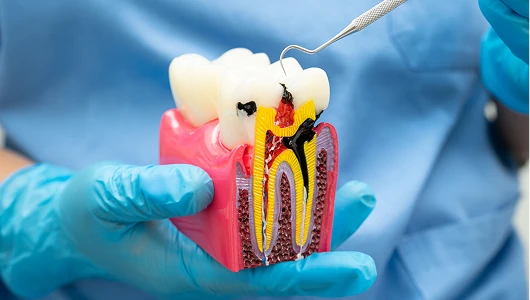
Curodont is designed for early cavity treatment, when enamel is starting to break down but the tooth hasn’t developed a full cavity that needs a traditional restoration. This is where it can be most effective.

Those chalky, dull white areas on enamel can be a sign of early demineralization. When caught early, Curodont can support strengthening and stabilization in a way that’s more targeted than general prevention alone.
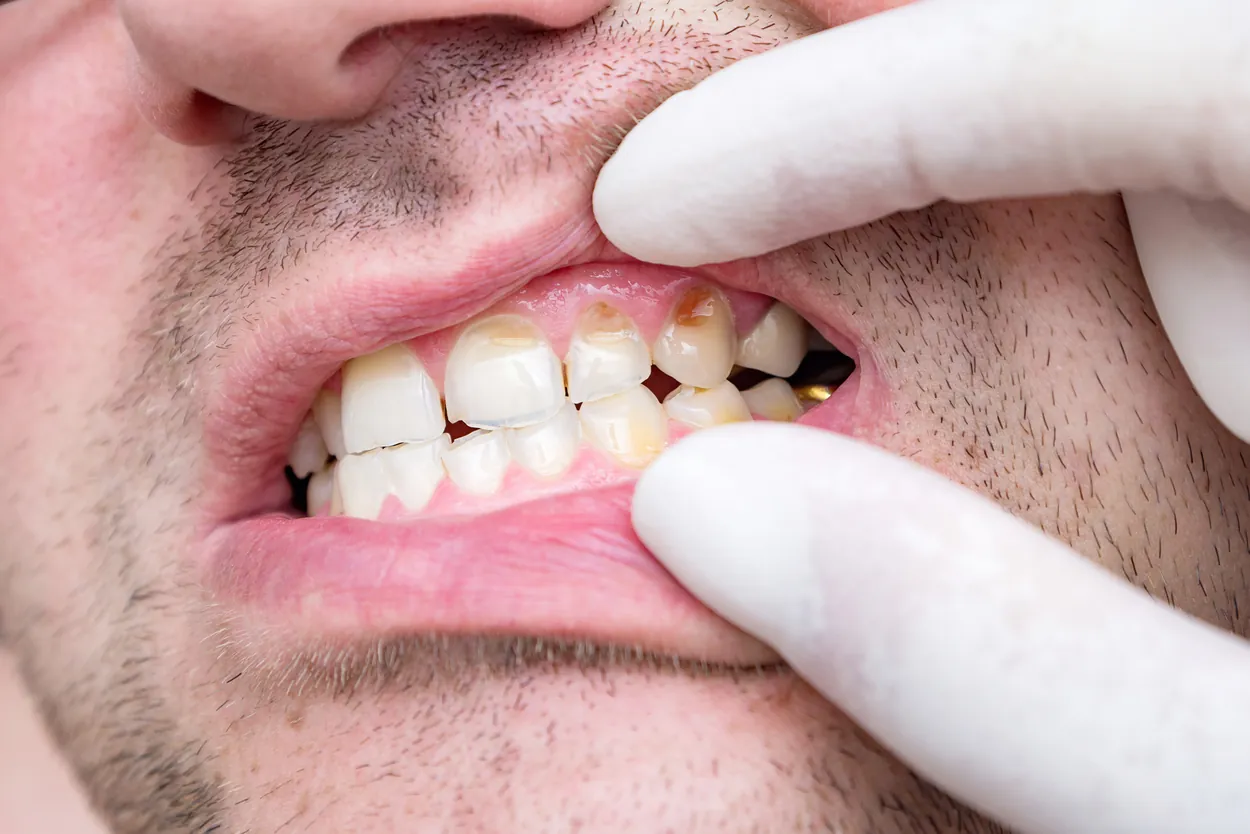
Some early lesions don’t cause pain, and you may not notice anything at all. If we catch a small area of breakdown during an exam, Curodont can be a conservative option to help stop progression.

For many families, the biggest benefit is avoiding a stressful experience for a child. When it’s clinically appropriate, Curodont can be a gentle option for children and teens who have early lesions and want to avoid drilling.
If you’re the kind of person who wants to preserve as much natural enamel as possible, Curodont fits that mindset. It’s aligned with biomimetic dentistry, which is working with the tooth’s natural structure instead of removing more than necessary.

Frequent snacking, dry mouth, past cavity history, braces, or inconsistent fluoride exposure can raise cavity risk. Curodont doesn’t replace good prevention, but it can be a strong tool when early lesions show up despite your best efforts, especially for patients trying to stay ahead of repeat fillings.

Curodont uses biomimetic peptides to support enamel regeneration in early lesions, without drilling away healthy tooth structure.

It’s typically comfortable and doesn’t require numbing, which is why many patients prefer it over traditional treatment when it’s an option.

Curodont works best when decay is caught early, which makes routine exams and cleanings a real money-and-stress saver.
Curodont is a regenerative dental treatment that helps repair early-stage tooth decay without drilling. It uses biomimetic peptides to stimulate natural enamel repair while preserving healthy tooth structure. It also fits well within a long-term preventive plan, like our approach to preventive dentistry.
Yes, when it’s used for early decay. Studies show it can help stabilize and remineralize enamel in early lesions, before a cavity fully forms. That’s why early detection matters, and why our preventive exams are so important.
Fluoride is excellent for strengthening enamel and helping prevent decay. Curodont goes a step further by targeting early lesions and encouraging repair from within. Fluoride is great daily support; Curodont is more like a focused early intervention.
Some insurance plans categorize it as a newer preventive technology rather than a traditional restorative procedure, so coverage can lag behind the innovation. We’ll help you understand your options, and you can also review the basics on our insurance information.
No. The application is typically quick and comfortable, and it doesn’t involve drilling or numbing. Many patients appreciate that it avoids the discomfort they associate with traditional dental fillings.
Only when decay is still early-stage. If a cavity has progressed beyond that point, a filling may still be necessary to restore strength and function. In more advanced situations, other restorative dentistry options may be recommended.
Yes. When the decay is early enough, it can be a conservative option for children and teens. Many families like that it can reduce the need for drilling during early care.
Results depend on oral hygiene habits, diet, and ongoing preventive care. With consistent brushing, flossing, fluoride support, and regular checkups, treated areas can remain stable long-term. If you’re new to our office, our new patient special is a simple way to get started.
We’ll confirm candidacy with an exam and imaging to see whether the decay is still in its earliest stage. If it is, Curodont may be an option. If it isn’t, we’ll explain the most conservative next step. You can request an evaluation through our contact page.
Yes. We welcome patients from Rancho Bernardo, Rancho Peñasquitos, 4S Ranch, Carmel Valley, Mira Mesa, Escondido, and nearby communities. If you’d like to get a feel for our philosophy and approach to conservative care, you can learn more about our practice.
Can’t find the answer to your question?
Contact us at (858) 668-3390.
Mon by appointment only
Tue 8:00AM - 5:00PM
Wed 8:00AM - 5:00PM
Fri 8:00AM - 5:00PM
12307 Poway Rd. Suite B
Poway, Ca 92064


Mon by appointment only
Tue 8:00AM - 5:00PM
Wed 8:00AM - 5:00PM
Fri 8:00AM - 5:00PM
12307 Poway Rd. Suite B
Poway, Ca 92064
© Smiles by Dr.Leila 2023 | Designed and Powered by Explore Digital | Privacy Policy